

Moves in Philanthropy: How McDonald’s and Gap Inc. Are Reorganizing Corporate Responsibility
Corporate responsibility is moving closer to the center of business—and becoming more complicated once it gets there.
Recent executive appointments at McDonald’s and Gap Inc. reveal more than two accomplished leaders stepping into influential positions. The appointments of Suheily Natal Davis and Jeffrey Hogue offer a window into how companies are reorganizing sustainability, inclusion, social impact and philanthropy amid this political climate, legal uncertainty and growing demands to prove business value.
The traditional corporate social responsibility department, often positioned separately from core operations, is giving way to a more integrated model. Impact leaders are increasingly expected to connect community investment, environmental commitments, workforce culture, employee engagement, regulatory risk and corporate performance.
The titles are changing because the expectations surrounding the work are changing.
Suheily Natal Davis Takes on an Expanded Impact Portfolio at McDonald’s
McDonald’s has appointed Suheily Natal Davis as its Chief Sustainability, Social Impact & Inclusion Officer, bringing three major areas of corporate responsibility under one executive leader.
Natal Davis has been at McDonald’s for 12 years and previously served as Vice President of Global Inclusion. Her expanded portfolio now places her work at the intersection of employees, franchisees, suppliers, customers and communities.
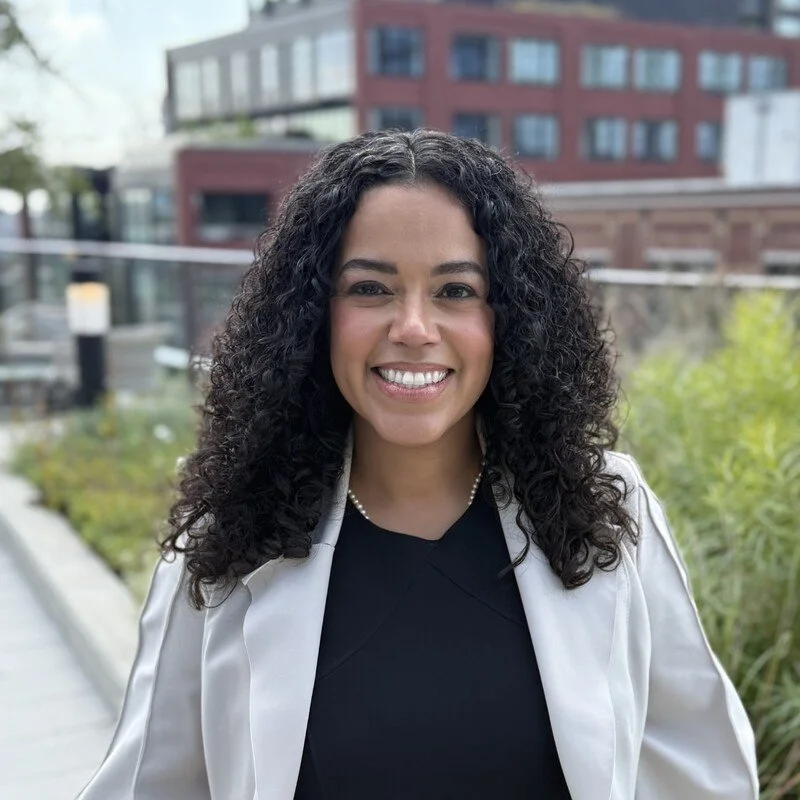
Suheily Natal Davis - Photo": LinkedIn
The appointment is significant because it positions inclusion alongside environmental and community-impact priorities rather than treating it solely as a human-resources responsibility.
That integration matters because a company can't credibly discuss community advancement without examining access to opportunity within its workforce and franchise system. It can't promote environmental responsibility without considering the suppliers, workers and neighborhoods affected by its operations. And, it can't build trust through charitable giving while treating inclusion as an entirely unrelated concern.
By placing these functions under shared leadership, McDonald’s has an opportunity to connect its public commitments with how the company hires, sources, expands and engages communities.
The structure also creates risk. A broader title doesn’t automatically produce greater impact. Combining multiple responsibilities can improve coordination, but it can also leave an executive overseeing an enormous portfolio if there isn't sufficient staff, funding or authority.
Jeffrey Hogue Brings Sustainability Leadership to Gap Inc.
Gap Inc. has appointed Jeffrey Hogue as its Chief Sustainability Officer following his tenure in the same role at Levi Strauss & Co.
Hogue brings more than two decades of sustainability experience across apparel, consumer products and biotechnology. At Gap Inc., he'll lead work across climate and equity and will also serve on the Gap Foundation board.
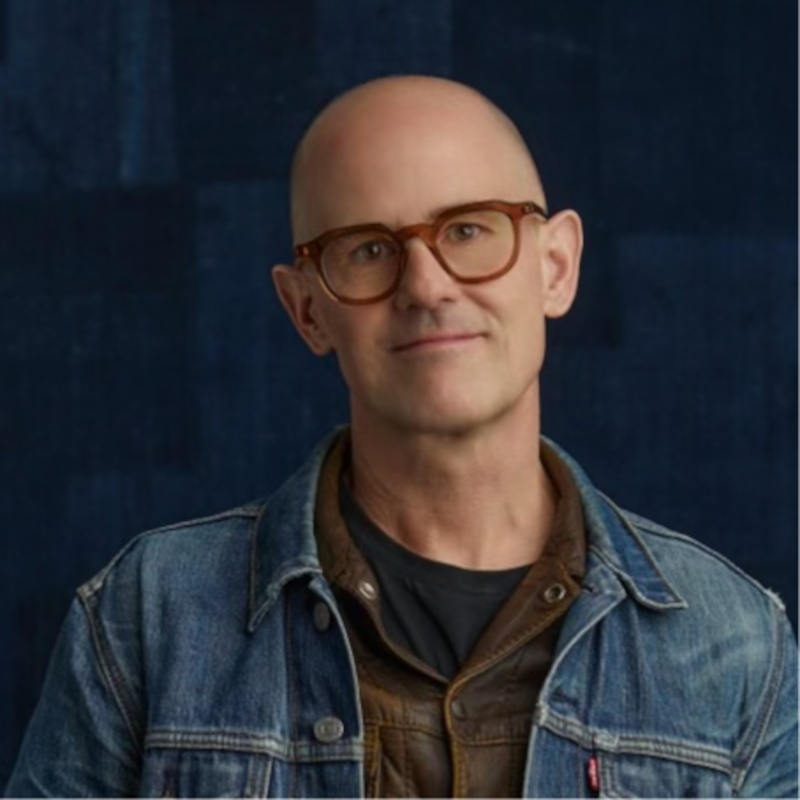
That foundation role is really important, because corporate foundations have traditionally focused on grants, employee engagement and nonprofit partnerships, while sustainability teams have concentrated on emissions, sourcing and environmental reporting. Hogue’s dual responsibilities could help Gap Inc. connect environmental strategy more directly with community investment.
The fashion industry continues to face difficult questions about textile waste, greenhouse-gas emissions, water use, labor conditions and the consequences of producing clothing at enormous scale. Addressing those challenges requires more than a sustainable collection or a polished campaign.
It requires changes to sourcing, product design, manufacturing, logistics and retail operations.
For Gap Inc., Hogue’s appointment represents an opportunity to treat sustainability not as an accessory to the brand, but as part of its construction.
The Appointments Reflect a Broader Structural Shift
New data suggests that McDonald’s and Gap Inc. aren’t isolated examples.
An ESG Dive report published July 15, citing the Association of Corporate Citizenship Professionals, found that nearly two-thirds of surveyed corporate social responsibility departments had experienced some form of restructuring during the previous year. Twenty-seven percent underwent a leadership change.
The study offers strong evidence of functional integration. Forty-two percent of respondents reported greater integration between CSR and human resources, reflecting a growing connection among corporate responsibility, employee resource groups, recruitment and retention.
Another 43% reported increased integration with ESG functions, while 33% experienced greater legal oversight. ESG Dive attributed the heightened legal involvement partly to DEI-related litigation risk, presidential executive orders and increased scrutiny of corporate environmental claims.
This supports a key argument of the McDonald’s and Gap appointments: corporate responsibility is no longer functioning only as a charitable or reputational department.
It's increasingly intersecting with human resources, legal affairs, sustainability, risk management and business strategy.
A Seat at the Table Comes With Pressure
Integration may give corporate-impact professionals more access to senior leadership, but that visibility is creating new demands.
The ACCP survey found that 83% of CSR professionals reported increased visibility within their companies, up from 62% in 2025. At the same time, 66% faced greater demands to measure their impact, and approximately 63% were increasingly required to make the business case for CSR to internal stakeholders.
Corporate-impact teams are being asked not only whether their work benefits communities, but how it creates value for the company.
Does it strengthen recruitment? Improve employee retention? Protect the brand? Reduce risk? Build customer loyalty? Support market growth?
Those questions can help move corporate responsibility beyond symbolic giving. But the demand to justify every initiative through immediate business returns can also narrow the definition of worthwhile impact.
Community needs don't always fit neatly into quarterly performance measures.
The pressure is also taking a human toll. A record 64% of respondents reported experiencing burnout, compared with 39% in 2025. Meanwhile, 61% said they needed more financial resources for community work, and most reported flat budgets.
Companies are expanding expectations faster than they're expanding resources.
How the Trump Administration Is Influencing the Shift
The current political environment is accelerating this restructuring.
The Trump administration has increased scrutiny of DEI programs, especially among federal contractors. A March 26, 2026, executive order requires contractors to agree that they won't engage in activities the administration defines as racially discriminatory DEI practices.
That pressure is prompting companies to review hiring initiatives, supplier-diversity programs, leadership fellowships and public disclosures.
Reuters reported that references to gender in S&P 500 regulatory filings fell from 61.3% in 2025 to 34.3% through April 2026. References to race fell from 60.9% to 34%. A Conference Board executive characterized the shift as a “recalibration, not a disappearance.”
DEI may be renamed talent strategy, culture or workforce opportunity. ESG may become risk management, resilience or responsible business. The work may continue, but under language considered less politically vulnerable.
The Bigger Move
The McDonald’s and Gap Inc. appointments demonstrate that corporate responsibility is becoming more integrated, more visible and more demanding.
That integration could give impact leaders more influence over operations, talent, sourcing and strategy. It could also conceal staff reductions, shrinking budgets or weakened accountability.
The organizational chart alone can't tell us which outcome will prevail.
The real test is whether leaders such as Davis and Hogue receive the authority and resources to change how their companies operate—not merely how they communicate.
Corporate responsibility has secured a seat at the table. Now companies have to decide whether they are prepared to fund the work that comes with it.