

FIFA and Global Citizen Turn the World Cup Into a $60 Million Education Campaign
The FIFA Global Citizen Education Fund is directing major philanthropic dollars toward local organizations helping children learn, play and build stronger futures.
Global Citizen and FIFA announced 31 new recipients of the FIFA Global Citizen Education Fund, expanding a global philanthropic campaign designed to improve access to education and sports for children in underserved communities.
The newly selected community-based organizations operate across 18 countries and will receive grants ranging from $50,000 to $250,000. Their work spans traditional education, youth sports, nutrition, workforce development, child protection, health services and community leadership.
With the announcement, the fund has now raised more than $60 million and will support a total of 58 organizations expected to reach more than 400,000 children worldwide. The initiative ultimately aims to mobilize $100 million for children’s education.
It's an ambitious example of what can happen when sports, entertainment, government and philanthropy converge around a shared mission.
A World Cup Legacy Built Around Children
Major sporting events are often judged by what happens inside the stadium: the performances, the competition, the celebrity appearances and the cultural moments that dominate the global conversation.
The FIFA Global Citizen Education Fund is asking a more important question: What remains after the final whistle?
The fund was created to ensure that the FIFA World Cup 2026 leaves a social-impact legacy that extends beyond the tournament. Its latest grants will support organizations working in communities across Africa, Europe, Asia, Australia and the Americas.
The grantees demonstrate that education doesn't happen through one model alone.
In Ghana, AfriKids combines education with child protection and health programs, while EduSpots works with local communities to operate 50 community-owned learning hubs. In Uganda, the Kyaka United Youth Deaf Association advances inclusive education for deaf children and young people living in the Kyaka II Refugee Settlement.
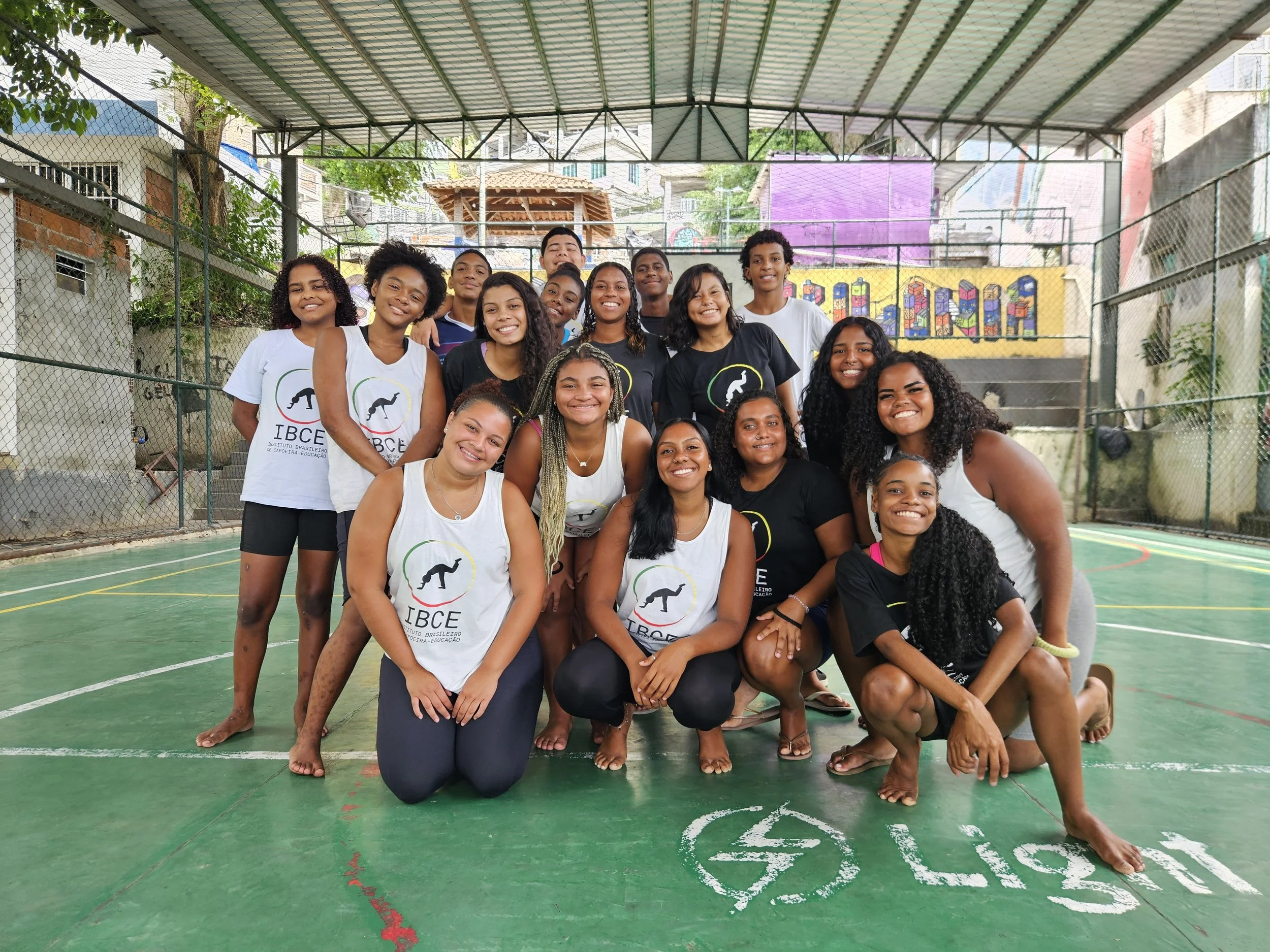
Instituto Brasileiro de Capoeira-Educação
In Brazil, Instituto Brasileiro de Capoeira-Educação uses capoeira to connect education, Afro-Brazilian culture, digital inclusion and life-skills development. Luta pela Paz uses boxing, martial arts and youth development to create opportunities for young people living in communities affected by violence and inequality.
Other recipients include the Food Education Fund and Shift Education in the United States, Fundación Pies Descalzos in Colombia, Teach For Nigeria, Solid’Africa in Rwanda, The Akanksha Foundation in India and Project Luangwa in Zambia.
The organizations illustrate a broader truth about effective philanthropy: children need more than access to a classroom. They need safe spaces, nutritious food, strong teachers, mentorship, technology, cultural affirmation and opportunities to develop confidence and leadership.
Philanthropy Meets the Global Stage
New commitments announced during Global Citizen’s “No Child on the Sidelines” pledging summit included $5 million from the United Arab Emirates, an anchor pledge from Qatar through the Supreme Committee for Delivery & Legacy, and $1 million from Fox Corporation.
Government partners include Canada, Portugal, Sierra Leone and Zambia, along with the Belgian development agency Enabel. Founding donors include MetLife Foundation and Bank of America, with additional support from Cisco, Sony, the FIFA Foundation, the Varkey Foundation and others.
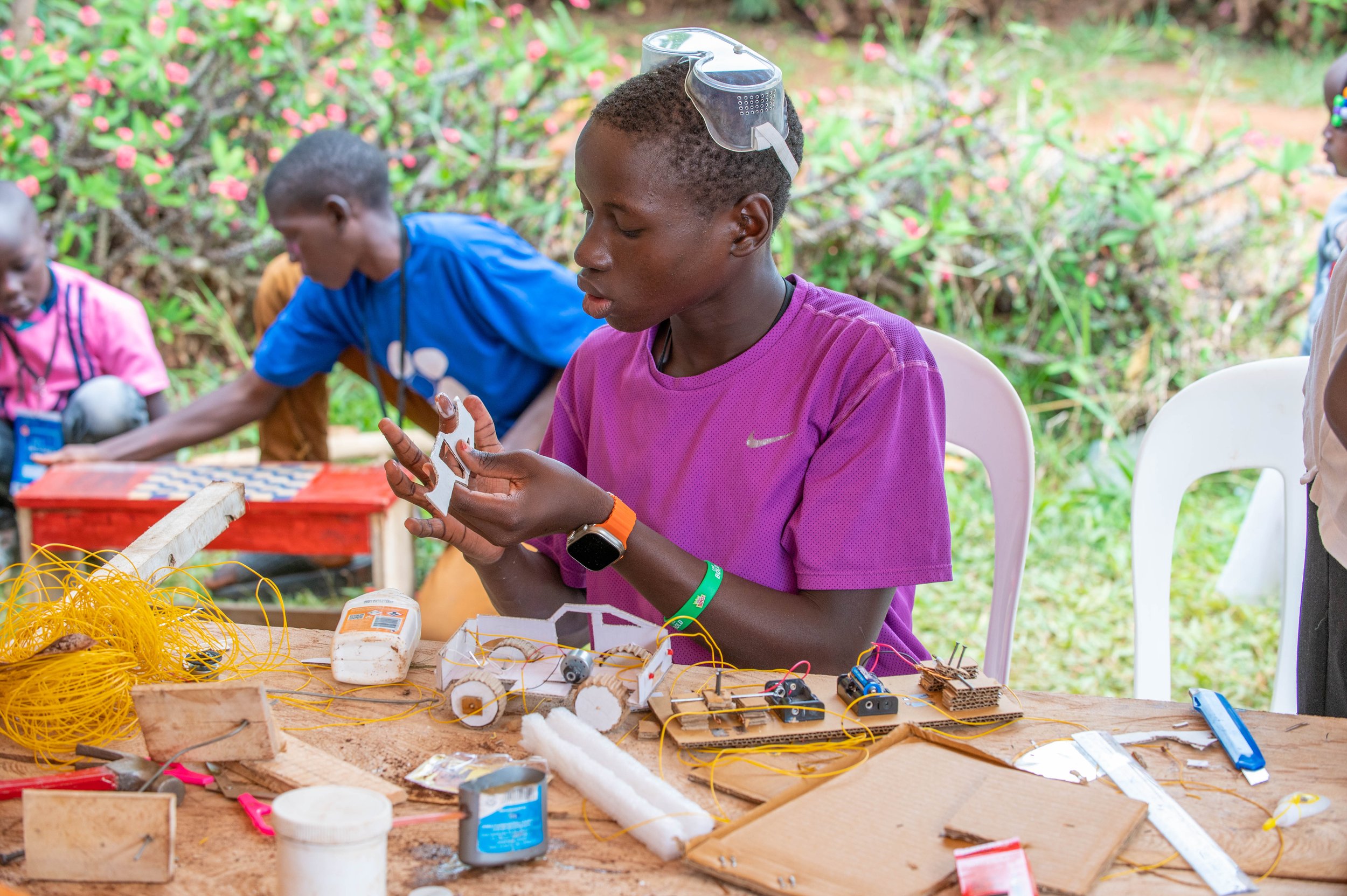
Wokober Education Foundation
But this is not simply a traditional philanthropic campaign built around institutional checks and corporate pledges.
Entertainment is woven into the fundraising strategy.
Proceeds connected to major music and sporting events have helped grow the fund, including ticket sales associated with the FIFA Club World Cup 2025 and FIFA World Cup 2026. Proceeds from tickets sold to The Weeknd’s After Hours Til Dawn tour and Usher and Chris Brown’s R&B tour are also being directed to the initiative.
Shakira is donating royalties from the official FIFA World Cup 2026 song, “Dai Dai,” and Sony Music is matching the first $250,000 raised. She's also donating $1 from every ticket sold to her Las Mujeres Ya No Lloran tour.
The result is philanthropy designed for the scale of popular culture.
Fans don't have to attend a fundraising luncheon or sit through an awards dinner to participate. Their concert tickets, sporting experiences and digital engagement become part of a larger funding ecosystem.
That accessibility may be one of the campaign’s most compelling features.
The Glamour—and the Gravity
There was a lot of glamour surrounding a World Cup: superstar athletes, international celebrities, packed stadiums and globally televised performances.
But the gravity is in the communities receiving the money.
Global education funding is facing pressure. According to the announcement, international education aid is projected to decline by one-quarter, with some of the world’s most vulnerable countries potentially experiencing cuts of more than 40 percent. Some of the newly funded organizations work in places where fewer than 15 percent of students complete secondary school and poverty rates exceed 60 percent.
Against that backdrop, a $50,000 or $250,000 grant can become more than a philanthropic gesture. It can sustain teachers, build learning spaces, provide meals, support young survivors, introduce technology or help a child envision a future that once felt inaccessible.
The fund also reports that its grantees were selected through a competitive, multistage process that included eligibility reviews, compliance verification and due diligence. Ongoing monitoring and spot checks are intended to support accountability throughout the grant period.
That structure matters. Big campaigns may generate attention, but their credibility ultimately depends on whether resources reach trusted organizations—and whether those organizations are equipped to convert funding into meaningful results.
The FIFA Global Citizen Education Fund is still working toward its $100 million goal. But, at $60 million, 58 organizations and more than 400,000 children, the campaign is showing what's possible when the spectacle of global entertainment is connected to the substance of community-based change.
For hundreds of thousands of children, the most important part of this World Cup legacy is only beginning.