

The $12 Billion Legacy: How Aliko Dangote Could Transform African Philanthropy
Africa’s richest man may be preparing to make one of the most significant philanthropic commitments the continent has ever seen.
Nigerian industrialist Aliko Dangote plans to dedicate one-third of his fortune to philanthropy as part of his succession and legacy planning, according to his daughter Halima Dangote, a trustee of the Aliko Dangote Foundation. With his wealth recently estimated at roughly $35 billion to $36 billion, that commitment could represent approximately $12 billion.
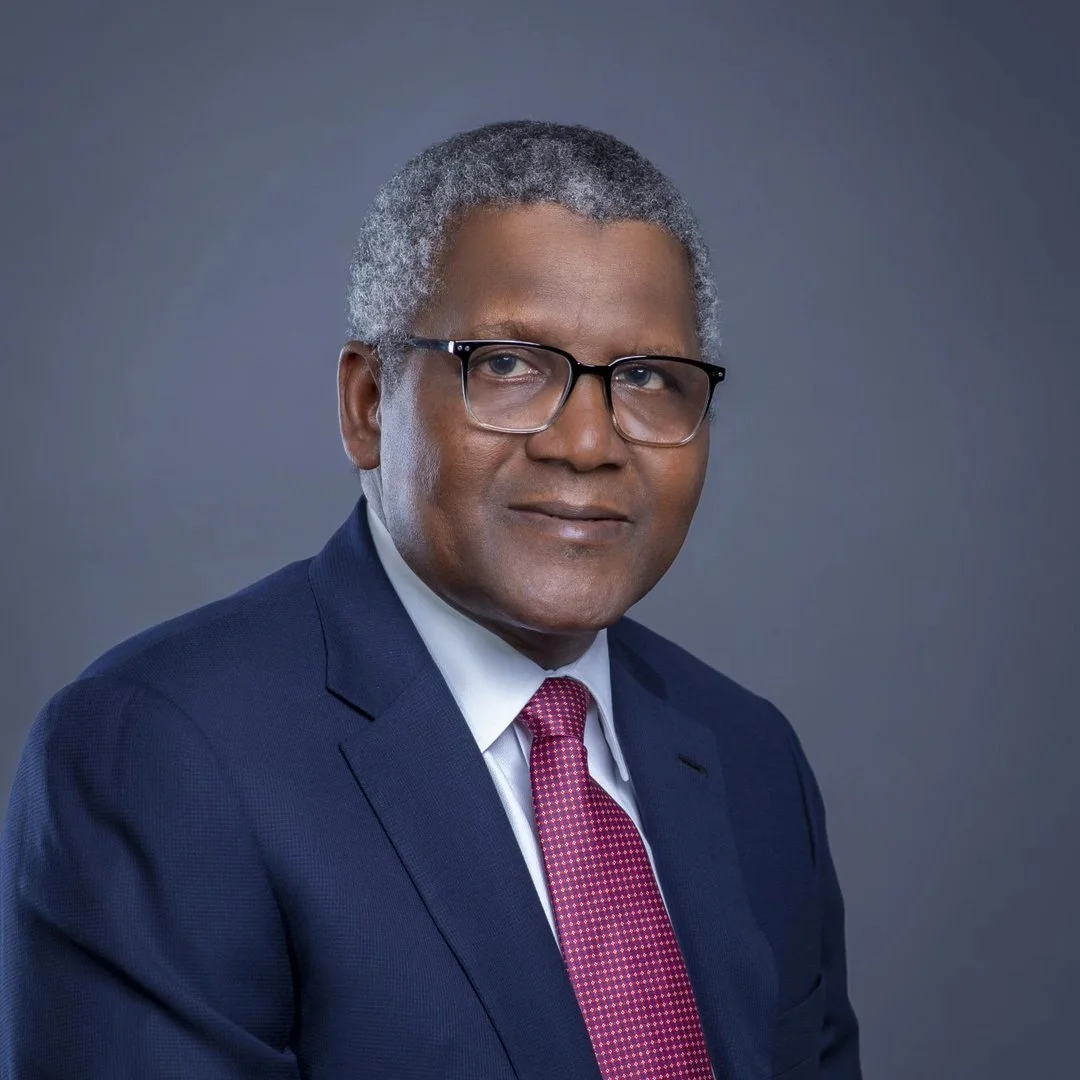
Aliko Dangote Instagram
Yes, billion with a “b”. What this could mean for philanthropy on the continent reaches far beyond just the size of the gift.
Dangote’s decision comes at a pivotal moment in philanthropy and development across Africa. For generations, many of the continent’s largest social investments have been associated with governments, multilateral institutions and foundations headquartered outside Africa. That model is increasingly under pressure.
Official development assistance is shrinking dramatically. OECD data show bilateral aid from its Development Assistance Committee countries to Africa fell 23.9% in 2025, while aid to sub-Saharan Africa dropped 26.3%. The OECD projects another decline in assistance to sub-Saharan Africa in 2026, potentially bringing funding to its lowest level since the early 2000s. Yet Africa doesn’t lack a culture of giving.
Research from the Charities Aid Foundation paints almost the opposite picture. Africans donated an average 1.54% of their income to good causes, compared with 0.64% in Europe. Nigeria—the country where Dangote built his fortune—ranked as the world’s most generous country by this measure, with people giving an average 2.83% of their income.
Much of that generosity has traditionally happened through families, faith communities, mutual aid and direct support rather than billion-dollar institutional foundations. Very similar to what we see here in the United States and across the Caribbean.
The Aliko Dangote Foundation already has a strong record across health, nutrition, education and economic empowerment. Dangote has also partnered with organizations including the Gates Foundation on major public-health efforts.
But directing one-third of his estate toward philanthropy could create something different: a massive pool of African-controlled philanthropic capital capable of funding African priorities for generations.
Research from Bridgespan has documented the growth of formal, large-scale giving by wealthy Africans, while also showing how international philanthropy has historically directed significant resources through organizations headquartered outside the continent. More recently, that pattern has begun to change, with large international gifts increasingly reaching African NGOs directly.
A Dangote commitment of this size could accelerate that evolution—and potentially challenge other African billionaires, family offices and corporations to consider what portion of the wealth being created on the continent should ultimately be reinvested there.
The real legacy, then, isn’t the $12 billion, it could be be helping change the narrative of African philanthropy itself: from a continent waiting for generosity to arrive to one increasingly financing its own solutions, institutions and future.
And that could be worth more than the headline number.