

Liberty Mutual Makes a $600 Million Bet on the Future of Corporate Giving
Liberty Mutual Insurance is making a significant long-term investment in corporate philanthropy with the creation of a $600 million endowment for Liberty Mutual Foundation. Announced in April 2026, the endowment is designed to provide a permanent and self-sustaining source of charitable funding, giving the foundation more flexibility to respond to community needs regardless of changes in the company’s annual earnings or operating environment.
Liberty Mutual
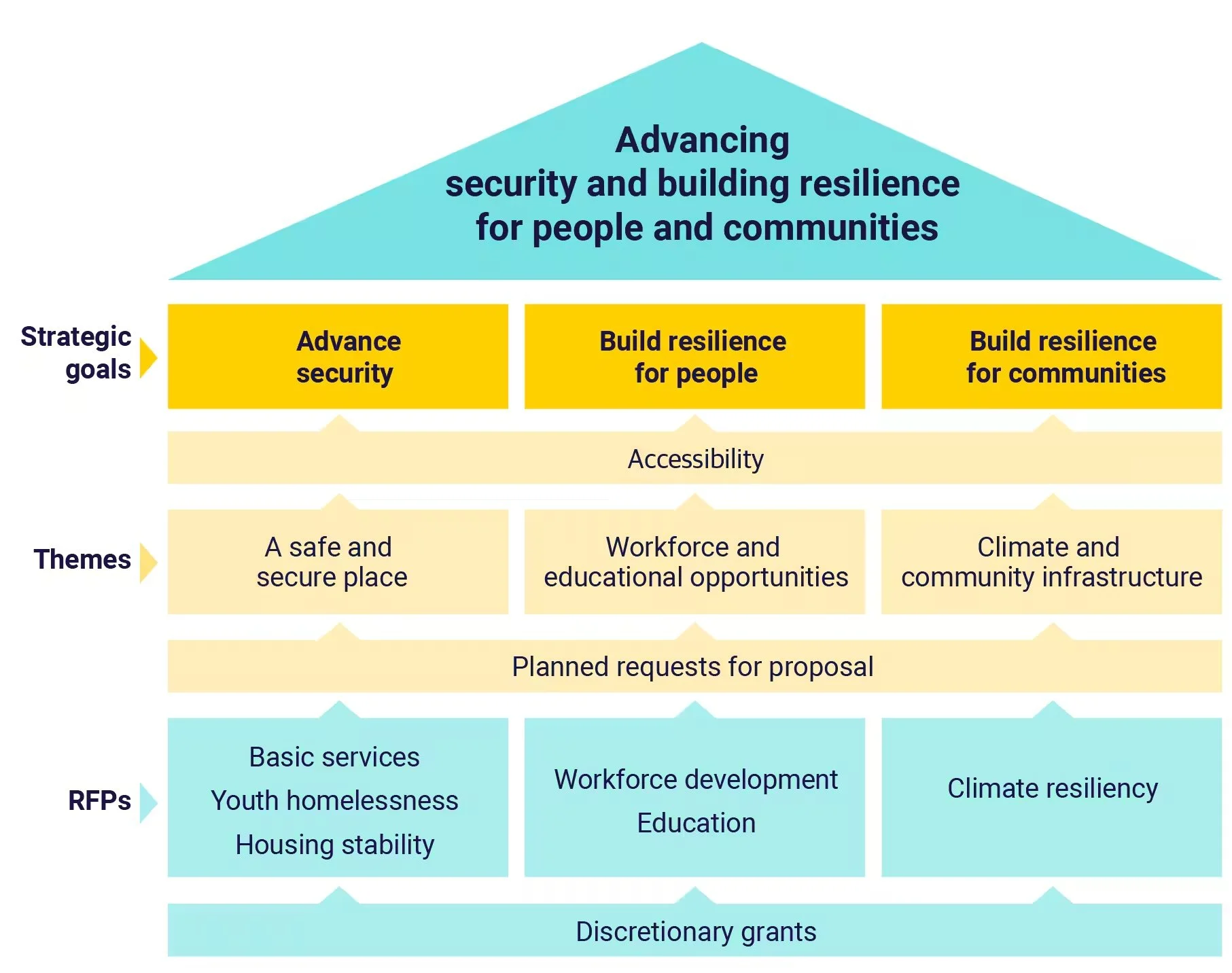
Liberty Mutual Foundation has typically distributed about $50 million annually, supporting hundreds of nonprofit organizations. Foundation leaders expect the new endowment to help increase that level of giving while enabling more multi-year grants, collaborative initiatives and responsive funding for organizations facing unexpected challenges. Its primary focus areas include housing stability, workforce development and climate resilience, with a lot of attention directed toward communities in and around Boston.
This is particularly notable at a time when nonprofits are navigating rising costs, reductions in government support and uncertainty around corporate charitable budgets. Many corporate foundations rely heavily on yearly contributions from their parent companies. When profits decline, leadership changes or business priorities shift, philanthropic spending can be reduced.
An endowment offers a different structure. Its principal assets are invested, and a portion of the investment earnings is used to support grantmaking. This can provide a more predictable source of funding while allowing the original capital to grow over time.
Liberty Mutual isn’f the first company to use corporate wealth to create an enduring philanthropic institution. The Ford Foundation began with a gift from Edsel Ford and later received substantial Ford family assets. Its endowment has grown to approximately $16 billion, although the foundation has operated independently from Ford Motor Company for more than 50 years.
Mastercard followed a similar model when it became a public company in 2006. The company created the independent Mastercard Foundation with $40 million and 13 million Mastercard shares then valued at approximately $500 million. The rise in Mastercard’s stock helped the foundation’s assets grow to roughly $37 billion by 2023, creating one of the world’s largest private foundations.
The Robert Wood Johnson Foundation was built primarily through gifts and a final bequest of Johnson & Johnson stock from former company chairman Robert Wood Johnson II. Those assets became the basis of a major endowment supporting health-related philanthropy.
A more closely connected model is in Denmark, where the Novo Nordisk Foundation funds philanthropy through its ownership of companies and other invested assets. Its wholly owned holding company manages both its corporate interests and broader investment portfolio.
Liberty Mutual’s decision could encourage other corporations to reconsider how they fund social impact. Rather than treating philanthropy as a discretionary annual expense, companies can create lasting charitable capital capable of surviving economic downturns, executive transitions and changing business strategies.
The real measure of Liberty Mutual’s $600 million bet, however, will be how the money reaches communities. The foundation hasn’t publicly detailed its long-term spending rate. But its commitment sends a powerful message: corporate philanthropy can be built not only for the next budget cycle, but for generations.