

Beyond the Jumpman: Michael Jordan’s Legacy of Culture, Community and Care
A post recently crossed my IG timeline announcing that Michael Jordan had opened another medical clinic serving uninsured and underinsured patients.
I stopped scrolling. Maybe I have been living under a rock, but I had no idea that Jordan’s philanthropic efforts were this extensive—or that he had invested millions of dollars in expanding access to health care.
Of course, I know Michael Jordan.
I know the six-time NBA champion whose gravity-defying talent reshaped professional basketball. I know the global icon whose name is synonymous with excellence, ambition and winning. And, like almost everyone else, I know the sneakers.
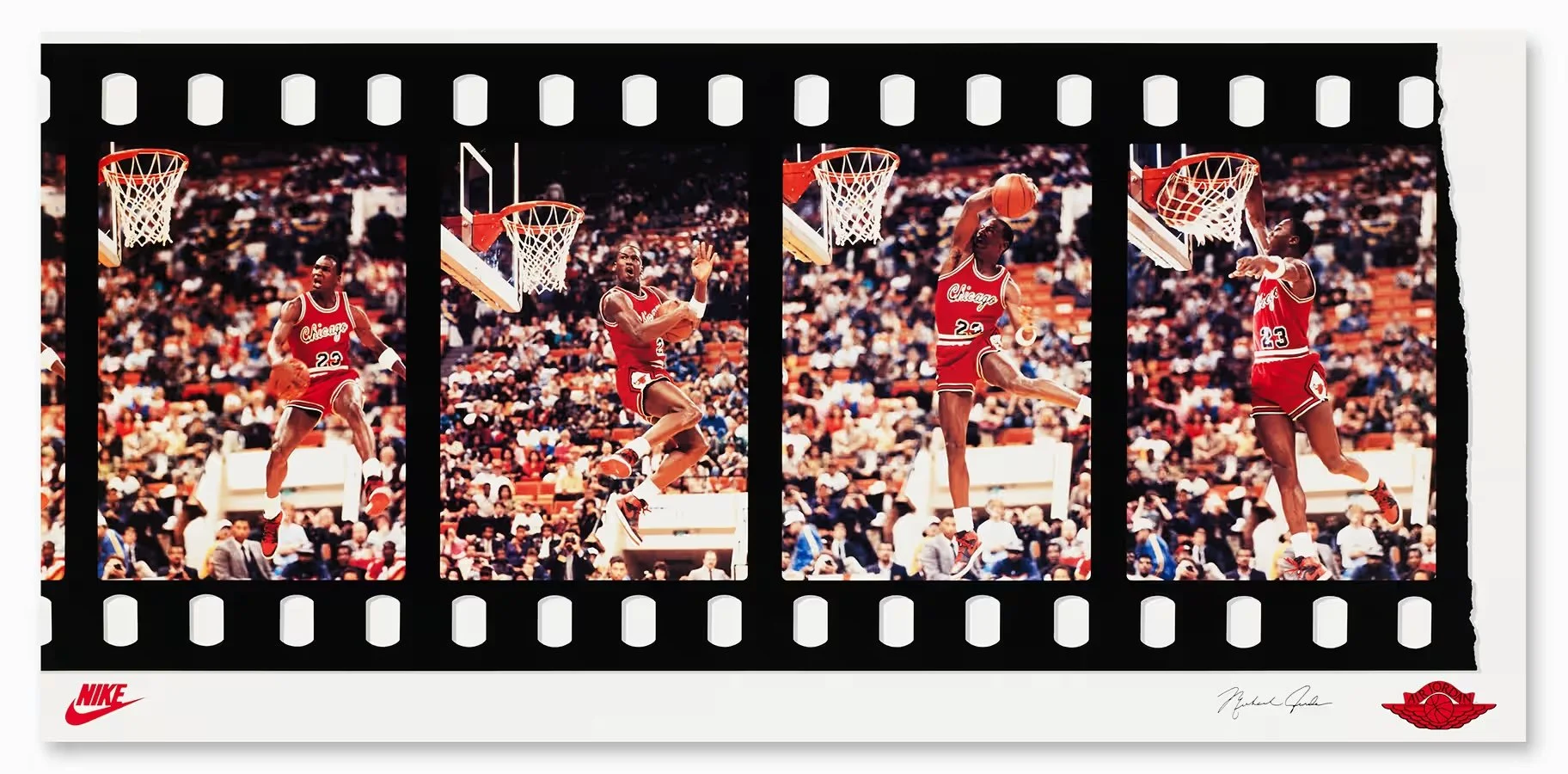
Air Jordans did more than dominate the basketball-shoe market. They became a staple of streetwear and arguably helped catalyze modern sneaker culture. The original Air Jordan debuted in 1985, and nearly four decades later, it’s difficult to walk through an airport, shopping center, college campus or city block without seeing someone wearing Jordan 1s. The Smithsonian’s National Museum of African American History and Culture now holds Air Jordan sneakers in its collection—evidence that their significance extends far beyond fashion.
Jordan helped transform sneakers from athletic equipment into cultural currency. His shoes have represented aspiration, identity, status, creativity and belonging. Generations of consumers—particularly within Black communities—helped turn the Jumpman into one of the world’s most recognizable symbols.
What I didn’t fully appreciate was how Jordan has begun directing a meaningful portion of the wealth and influence created by that cultural phenomenon back into communities.
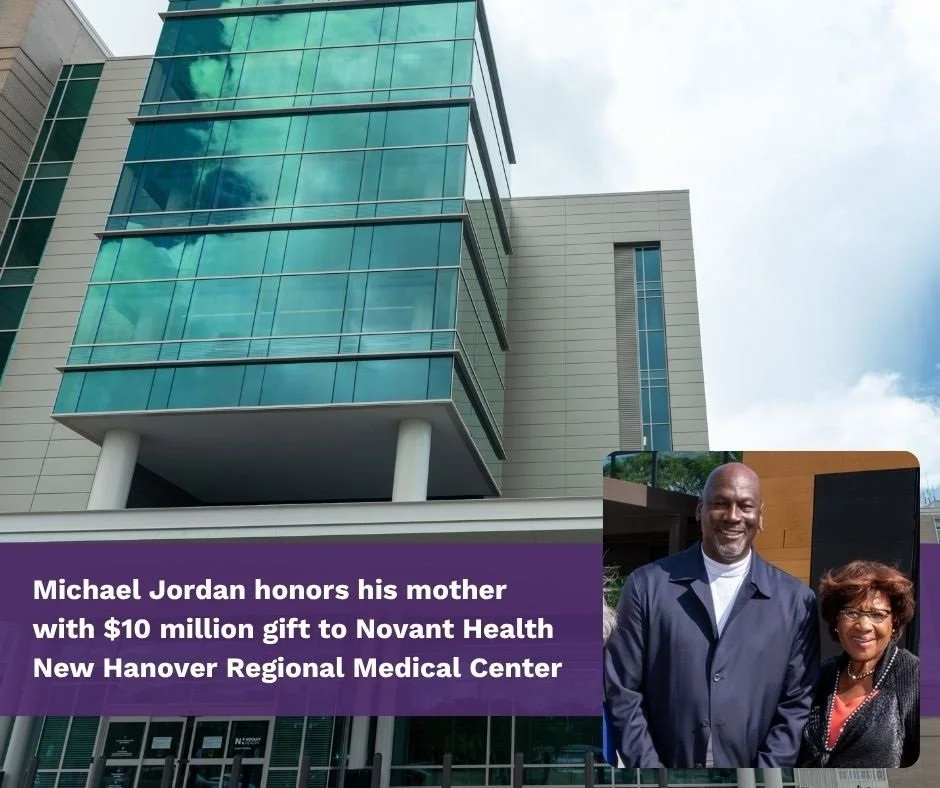
Jordan donated $17 million to Novant Health to establish four Michael Jordan Family Medical Clinics in Charlotte and Wilmington, North Carolina. The clinics provide primary, preventive and behavioral health care, along with social-support services, to communities with limited access to medical resources. They welcome uninsured and underinsured patients, and at least one location provides care at no cost when patients can’t afford to pay.
The second Wilmington clinic opened in February 2025, extending the model into Jordan’s hometown. The facilities aren’t just ceremonial buildings with a celebrity’s name plastered on the side. They’re designed to interrupt cycles of preventable illness by placing consistent, comprehensive care within underserved communities.
His philanthropy extends beyond health care. Jordan and Jordan Brand established a joint, 10-year, $100 million commitment supporting racial equity, education, economic justice and social justice. In 2024, the initiative awarded more than $8 million to 37 organizations, including grassroots nonprofits serving Black communities.
He’s also donated $10 million to Make-A-Wish—the largest individual gift in the organization’s history—and $5 million to the National Museum of African American History and Culture.
For decades, communities lined up to buy Jordans, dare I say for many, it was their first pair of shoes. These communities embraced the image and expanded Michael Jordan’s influence far beyond basketball. His philanthropy represents something powerful in return: converting cultural capital into community infrastructure.
That is a legacy worth noticing and uplifting.